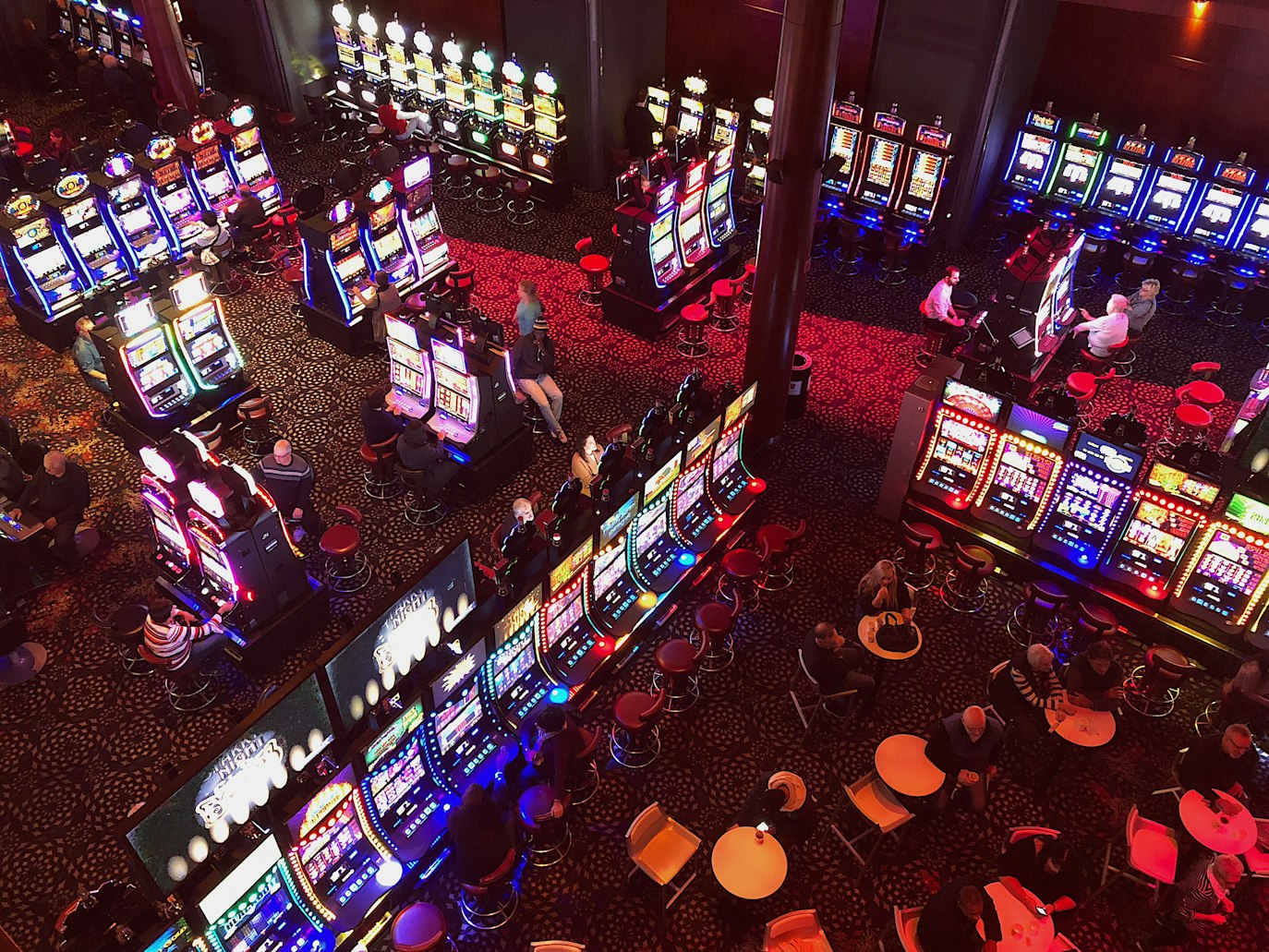
The evolution of casinos tracing the history and cultural impact
The Origins of Gambling
The history of gambling can be traced back thousands of years to ancient civilizations. The earliest known evidence of gambling activities dates to around 3000 BC in China, where tiles were found that were used for a game of chance. Similarly, ancient Egyptians participated in betting on the outcomes of dice games. These early forms of gambling highlight humanity’s inherent attraction to risk and chance, setting the stage for what would evolve into modern casinos. For those looking to experience this thrill, you can find an exciting opportunity in Aviamasters game download original.

As societies developed, so did the complexity of gambling. The Greeks and Romans embraced gambling, integrating it into their social fabric with dice games and betting on chariot races. This cultural acceptance laid the groundwork for gambling as a popular leisure activity, influencing future generations and establishing the notion of organized gambling that we recognize today.
The Rise of Gambling Houses
By the 17th century, the concept of dedicated gambling venues emerged in Europe, leading to the establishment of the first official casinos. The Ridotto in Venice, established in 1638, was one of the earliest examples, offering a regulated environment for gambling. This marked a significant shift from informal, clandestine betting to a more structured approach, paving the way for the modern casino.
As gambling houses gained popularity, various games were introduced, including poker and blackjack, which originated in France and quickly spread across Europe and America. These establishments began to symbolize not only wealth and luxury but also a sense of community and entertainment, reinforcing the cultural significance of casinos in society.
The American Casino Boom
The late 19th and early 20th centuries witnessed a dramatic expansion of casinos in the United States. The gold rush and the influx of fortune-seekers led to the establishment of gambling in places like San Francisco and New Orleans. However, it was the legalization of gambling in Nevada in 1931 that catalyzed the casino industry, giving rise to Las Vegas as the casino capital of the world.
The allure of Las Vegas transformed gambling into a glamorous and high-profile activity, characterized by extravagant hotels and entertainment. The cultural impact of this era can still be seen today, as casinos evolved into multifaceted resorts offering not only gaming but also fine dining, shows, and shopping, attracting millions of visitors from around the globe.
The Digital Transformation
With the advent of the internet, the casino landscape underwent a seismic shift. Online casinos began to emerge in the late 1990s, providing players the ability to enjoy their favorite games from the comfort of their homes. This digital transformation made gambling more accessible than ever, reaching a global audience and introducing new technologies like live dealer games that simulate the in-person experience.
The rise of mobile gaming has further revolutionized the industry, allowing players to engage in gambling activities anytime, anywhere. Online platforms now offer a plethora of games, catering to diverse preferences and interests, while also integrating features such as social gaming and multiplayer experiences that enhance user engagement and community interaction.

Exploring Modern Gaming Platforms
Today’s casinos, both physical and online, continue to adapt to cultural and technological changes. The focus on user experience has become paramount, with operators investing in innovative designs and interactive features to retain players. Events and themed nights have also become commonplace, merging entertainment with gaming.
As the gambling landscape evolves, the impact on culture remains profound. Casinos serve as social hubs, fostering connections and experiences that transcend mere gaming. The cultural significance of casinos is evident in film, literature, and art, where they are often depicted as symbols of risk, reward, and the human experience.